A New Month · 2026
Fresh Start · Psychology · Real TalkThe Psychology of the New Month Feeling — and How to Actually Use It
That shift you feel on the first of the month is not just a habit or a vibe. There is real science behind it. Here is what your brain is actually doing, and how to stop wasting this energy before the second week hits.
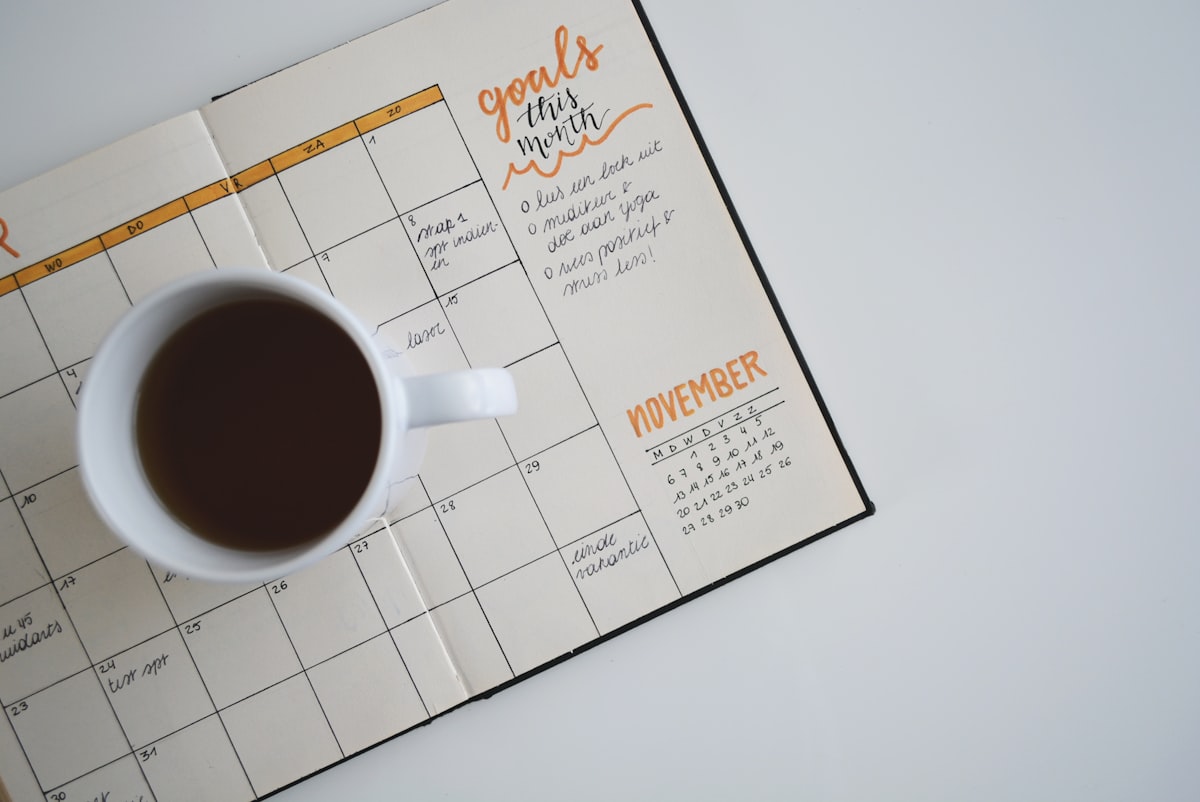
It is the first of the month. Maybe you felt it the moment you woke up. A quiet shift, something slightly different in the air. Not in the literal air, nothing actually changed overnight. But something in the way you approached the day felt more deliberate. You might have written something down. Made a quiet decision about who you are going to be this month. Told yourself this time would be different, and for a few hours at least, fully believed it. And then you probably wondered, as most of us do somewhere around the second week: why does this always fade?
Here is the thing. That feeling you had on the first is not wishful thinking. It is not a social media trend you absorbed without realising. It is a real psychological phenomenon, studied and documented, with a name and a mechanism. And understanding it properly means you can use it instead of just riding it until it runs out.
The Science
The Fresh Start Effect Is Real. Here's What It Actually Is.
In 2014, researchers Hengchen Dai, Katherine Milkman, and Jason Riis published a study in the Journal of Consumer Research called "The Fresh Start Effect." They analysed gym attendance, Google searches for the word "diet," and commitment-contract sign-ups, and found a consistent pattern: people were significantly more likely to pursue goals at the start of new time periods. New year. New month. New week. Even birthdays and the first day after a public holiday.
The reason is something psychologists call a temporal landmark: a moment in time that feels meaningfully separate from what came before. These landmarks do something specific and useful inside the brain. They create a mental partition between your past self and your present self. They let you look back at everything that did not go the way you wanted last month and place it in a category that feels slightly more separate from today. That was then. This is now.
This is not a delusion. It is a psychological tool. The separation is not literal — your old habits did not disappear at midnight on the 30th. But the felt sense of beginning something new is real, and when harnessed properly, it genuinely shifts behaviour. The people who write it off as wishful thinking and the people who use it strategically tend to end up in different places.
The first of the month gives you something rare: a moment when your brain is already primed to believe change is possible. That is not nothing. That is everything, if you know what to do with it.
Why It Fades
Why You're Fine on the 1st and Struggling by the 12th
The fresh start feeling fades for two reasons, and understanding both of them is the difference between this month being different and this month being a repeat.
The first reason is that intention and environment are different things. On the first, your motivation is high. By the second week, motivation has dropped back to normal, but your environment has not changed at all. The same triggers, the same routines, the same friction between what you want to do and what is easy to do. Motivation is a spark. Environment is the fuel. You cannot run a fire on sparks alone.
The second reason is the goal type. Most people start a new month with outcome goals: lose weight, save money, be more productive, feel better. These are fine as directions, but they are miserable as daily guides. An outcome goal gives you no instruction for what to do on a random Tuesday at 4pm when you are tired and the choice in front of you is the hard one. It just reminds you of where you have not arrived yet.

Identity, Not Outcomes
The Shift That Changes Everything
The most useful reframe available when starting a new month comes from James Clear's research on habit formation: the difference between outcome-based goals and identity-based goals. An outcome goal says "I want to lose weight." An identity goal says "I am someone who moves their body every day." An outcome goal says "I want to save more money." An identity goal says "I am someone who is intentional about money."
The difference matters because identity goals give you a reference point for every single small decision. Not "does this help me reach my outcome?" but "is this what someone like me does?" That question is more durable than motivation. It works on the bad days, the tired days, the days when the outcome feels far away. Your identity is always present. Your motivation is not.
The fresh start effect research suggests a specific approach: use the temporal landmark to update your identity statement, not your outcome wish list. Instead of asking "what do I want to achieve this month?" ask "who do I want to be this month?" The answer to the second question tells you what to actually do each day. The answer to the first just tells you where you wish you were going to end up.
You don't need a new year.
You don't need a Monday.
You have right now, in a new month,
with a brain that is already primed to believe you can start.
The Real Work
What to Actually Do With This Energy Before It Leaves
Six Things to Do in the First 72 Hours of a New Month
- Write one identity statement, not a list of goals. "This month I am someone who..." Finish it with a behaviour, not an outcome. The behaviour is the goal.
- Change one thing in your environment. Motivation fades. Environment does not. Move the book to the place you sit. Put your gym bag by the door. Make the thing you want to do the thing that requires the least effort.
- Schedule the first three instances of whatever matters most. A commitment on a calendar is thirty times more likely to happen than an intention in your head. Three actual scheduled slots in the first week anchors the habit before the motivation drops.
- Decide in advance what you will do when you miss a day. Not whether you will miss a day. When. Missing once is not failure. Missing twice in a row is the pattern that ends things. Decide now how you will respond to the first miss.
- Tell one person who will actually ask you about it. Social accountability is one of the most under-rated tools in psychology. You do not need an audience. You need one person who will text you in two weeks and ask how it is going.
- Review on the 14th, not the 31st. Do not wait until the end of the month to see how it went. Check in at the halfway point, when there is still time to adjust, while the month still feels saveable.
The Real Talk
The New Month Feeling Is Yours. Don't Waste It Performing It.

There is one more thing worth saying, and it is the thing that the "new month, new me" culture gets quietly wrong. The performance of the fresh start, the aesthetic journal spread, the carefully worded goal post, the beautiful morning routine reel, is not the same as the fresh start. In fact, for a lot of people, the performance of beginning something substitutes for actually beginning it. The post about the goal scratches the same itch as working toward the goal, but without any of the friction.
The new month energy is best spent quietly. A decision made in private that you then just start executing on, with no audience and no announcement, is more durable than one made in public where the pressure of the performance adds its own strange weight. You are not trying to show people you are starting. You are trying to actually start.
July is here. You have already felt the feeling. The only question now is what you do with it in the next 72 hours, before the ordinary rhythm of life absorbs the energy and carries you somewhere familiar. Something different this month is genuinely possible. It always is. But only if the energy goes into doing, not into announcing.
"Every month has a first day.
Not every person uses it.
You already have the feeling.
Now give it something real to hold onto."
Your July Psychological Check-In
- I have one identity statement for this month, not a list of outcomes
- I have changed one thing in my environment to make what I want easier
- I have three calendar slots for the thing that matters most this month
- I have decided in advance how I will respond when I miss a day
- I have told one person who will actually hold me to this
- I have set a reminder to check in on the 14th
OMEGΛ is a daily blog at the intersection of psychology, modern culture, and human intelligence. We write to help you understand the forces shaping your mind, so you can navigate them on your own terms. Contact: theomega.iq@gmail.com


Comments
Post a Comment