The Sleep Debt
Modern life has been quietly dismantling your most powerful recovery tool for decades. This is what it's actually costing you — and how to take it back.
Something happens when you don't sleep enough. Not the tiredness — you know about that. Something subtler, and considerably more dangerous. Your emotional reactions become disproportionate. Your decision-making slows. Your ability to learn, retain memory, and regulate your own behaviour quietly degrades. And what makes this particularly insidious is that sleep-deprived people are consistently among the worst judges of their own impairment. The more you need sleep, the less accurately you can perceive that you need it. The brain, in losing its recovery, also loses its ability to measure the loss.
Modern life has been dismantling sleep for decades — through technology, through productivity culture, through the 24-hour economy, and through the systematic framing of recovery as weakness. The result is a population operating on significant sleep debt, largely unaware of the full cost, and almost entirely unable to self-diagnose it accurately.
Section 01 — Biology
Sleep Is Not Rest — It's Active Repair
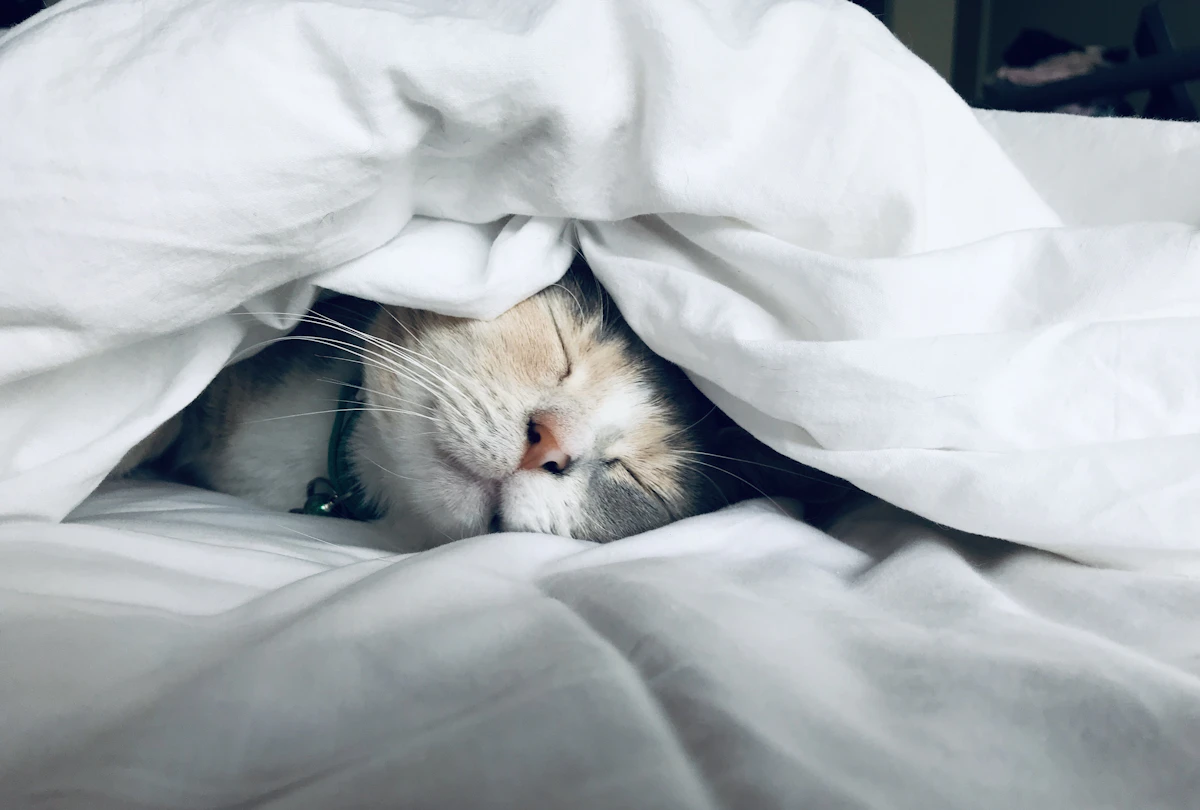
The most consequential misconception about sleep is that it is a passive state — the brain switching off, the body waiting out the dark. The opposite is true. Sleep is one of the most metabolically active states the brain enters. It is when your most important biological maintenance occurs, and it cannot be replicated by any other state — not rest, not meditation, not quiet sitting.
In 2013, a team led by Maiken Nedergaard at the University of Rochester discovered the glymphatic system: a network of channels that flush cerebrospinal fluid through the brain during sleep, clearing the metabolic waste products that accumulate during waking hours. Among the substances cleared are amyloid-beta and tau proteins — the same proteins that accumulate in the brains of Alzheimer's patients. This clearance process is approximately ten times more active during sleep than during wakefulness. It does not happen during rest. It requires sleep.
Alongside this: approximately 95% of the body's daily growth hormone is released during deep sleep, driving cellular repair, immune consolidation, and tissue regeneration. The immune system produces and deploys cytokines — proteins that target infection and inflammation — predominantly during sleep. Memory traces formed during the day are consolidated into long-term storage during sleep. The emotional experiences of the day are processed and integrated during REM. Sleep is not recovery from life. It is the engine that makes life functional.
Section 02 — Sleep Architecture
The Cycles You're Shortchanging
Sleep is not a uniform state. It occurs in repeating 90-minute cycles, each containing distinct stages with distinct functions. A full night's sleep — seven to nine hours for most adults — produces four to six of these cycles, and what each cycle delivers changes across the night in a pattern that makes the timing of sleep critically important.
The early cycles of the night are dominated by deep sleep — Stage N3, or slow-wave sleep. This is where physical repair happens: growth hormone release, immune consolidation, and the glymphatic clearance discussed above. The later cycles, in the second half of the night, are dominated by REM sleep — where memory consolidation, emotional processing, and creative integration occur. Matthew Walker, professor of neuroscience at UC Berkeley and author of Why We Sleep, describes REM sleep as a form of "overnight therapy": the brain re-processes emotional memories, stripping the physiological charge from difficult experiences and allowing them to be recalled without re-triggering the original stress response.
The implication is stark: when you cut sleep short — by an alarm, by a late night, by consistently sleeping six hours instead of eight — you lose disproportionately from the end of your sleep period, which is predominantly REM. You preserve the physical repair stages while consistently sacrificing the emotional and cognitive ones. And because REM deprivation is neurologically invisible — it doesn't feel like anything specific — most people have no idea it's happening.
"When you cut your sleep short, you aren't just losing time in bed. You're losing the specific sleep stages that process memory, regulate emotion, and allow you to think clearly the next day."
Section 03 — Modern Sabotage
How Modern Life Wages War on Sleep
The modern assault on sleep is not a single cause. It is a convergence of several distinct mechanisms, each damaging in its own right, collectively producing a chronic disruption that most people simply accept as the price of contemporary life.
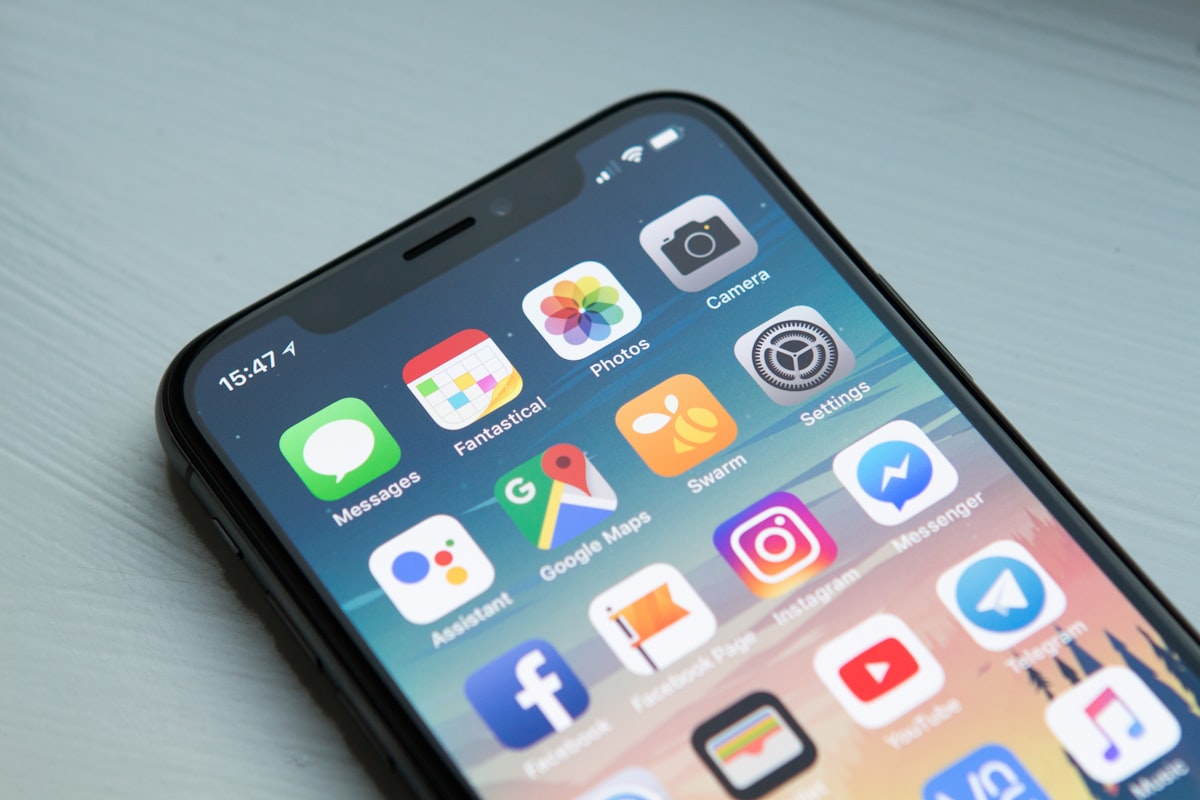
Blue light. The short-wavelength light emitted by phone, laptop, and TV screens suppresses melatonin production in the pineal gland by up to 50%, delaying sleep onset by one to three hours. The problem is not the light per se — it is its timing. Evening blue light exposure tells the brain it is midday, resetting the circadian clock backward and pushing physiological sleep readiness into the early hours.
Cognitive arousal. Independent of the light effect, the content you consume before sleep matters. The brain cannot physiologically downregulate while processing stimulating material — news, social media, emotionally engaging video. The mind may be stationary, but it is not quiet. Sleep onset requires a genuine slowing of neural activity that active content consumption prevents.
Inconsistent schedules. The circadian rhythm is anchored primarily by the wake signal — the time at which you consistently get up. Varying your sleep and wake times by even one to two hours across the working week versus the weekend is enough to produce what researchers call social jetlag: measurable disruption to circadian timing, with effects on cognitive performance and metabolic function comparable to actual air travel across time zones. Most people do this every week.
Caffeine's long reach. Caffeine's half-life in the human body is five to seven hours. A 3pm coffee means 50% of its stimulant load is still active at 9pm, and 25% at midnight. It does not prevent sleep entirely — it prevents the deep sleep stages, producing sleep that is lighter, more fragmented, and less restorative than it should be, without the person being aware of the disruption.
The alcohol myth. Alcohol's reputation as a sleep aid is one of the most damaging misconceptions in modern culture. Alcohol is a sedative: it induces unconsciousness. But unconsciousness is not sleep. Alcohol fragments the second half of the night, profoundly suppresses REM sleep, and elevates body temperature — producing the groggy, unrested feeling that is not a hangover but the direct result of a night of disrupted sleep architecture.
Section 04 — The Cost
What Sleep Debt Is Actually Taking From You
Six Systems Sleep Debt Degrades
- Cognition. Walker's research showed that two weeks of 6-hour sleep produces performance deficits equivalent to 48 hours of total sleep deprivation — but subjects rate themselves as only slightly impaired. The brain loses the ability to assess its own impairment as it loses the sleep that would maintain that capacity.
- Emotional regulation. A single night of poor sleep makes the amygdala 40% more reactive to negative stimuli — producing the same emotional amplification as an anxiety disorder, arising entirely from insufficient rest. Sleep is the brain's primary emotional regulation tool.
- Immune function. One night of four hours of sleep reduces natural killer cell activity — the immune cells that target cancer cells and viruses — by up to 70%. The WHO classifies night-shift work (which chronically disrupts sleep) as a probable carcinogen.
- Cardiovascular health. Regularly sleeping six hours increases heart attack risk by 20%. Five hours or fewer doubles it. This relationship holds independently of other risk factors including diet, exercise, and smoking status.
- Metabolic function. Sleep deprivation increases ghrelin (the hunger hormone) and decreases leptin (the satiety hormone), producing increased appetite and reduced capacity to feel full. Insulin sensitivity declines significantly after even a few nights of shortened sleep.
- Safety. Driving after 17 consecutive hours awake produces impairment equivalent to a blood alcohol level of 0.05%. After 24 hours without sleep: 0.10% — legally intoxicated in every jurisdiction. Drowsy driving causes more road deaths than alcohol or drug impairment in most countries.

Section 05 — Reclaiming Sleep
The Interventions That Actually Work
Sleep is a biological process, not a discipline. You cannot force it. You cannot earn it through effort. What you can do is create the conditions that allow it to happen — removing the obstacles that modern life has placed in its way.
The single most powerful habit: a consistent wake time, seven days a week. The circadian rhythm is anchored by the morning light signal and the rise time. Getting up at the same time daily — regardless of what time you went to sleep — consolidates the circadian clock faster than any other intervention. Everything else builds on this.
Bedroom temperature. The body needs to drop its core temperature by approximately 1 to 2°C to initiate sleep onset. The optimal sleep environment sits between 16 and 18°C (61–65°F) — significantly cooler than most people keep their bedrooms. A cool room and warm bedding is more effective than a warm room alone.
The wind-down window. The 90 minutes before bed are when melatonin production begins. Bright light, screen exposure, and stimulating content during this window delay the process. Dim lights, no screens, and low-stimulation activity allow the physiological slide into sleep to begin on schedule.
The 20-minute rule. If you are lying in bed unable to sleep for more than 20 minutes, get up. Go to a dim, quiet room and do something calm until you feel genuinely sleepy, then return. Lying in bed awake — particularly if frustrated — trains the brain to associate the bed with wakefulness, compounding insomnia over time.
Caffeine cutoff: midday. Given caffeine's five-to-seven-hour half-life, anything consumed after midday will still carry measurable stimulant effect at the time most people intend to sleep. The 3pm coffee is sabotaging the 11pm bedtime.
"Sleep is not the time you subtract from your productive life.
It is the foundation that makes your productive life possible.
Protect it accordingly."
Tomorrow we examine what happens when productivity stops being a tool and becomes an identity — and why the culture of busyness may be the most socially rewarded form of self-harm in modern life.
OMEGΛ is a daily blog at the intersection of psychology, modern culture, and human intelligence. Written for people who want to understand the forces shaping their minds — and navigate them deliberately. Contact: theomega.iq@gmail.com


This hit home. We spend so much time trying to be productive that we forget sleep is what makes productivity possible in the first place.
ReplyDelete